
The Changing Role of a Founder
Building a successful company requires founders to master several responsibilities, from developing products and managing teams to making critical business decisions. However, as an organisation expands, the role of its founder often changes significantly.
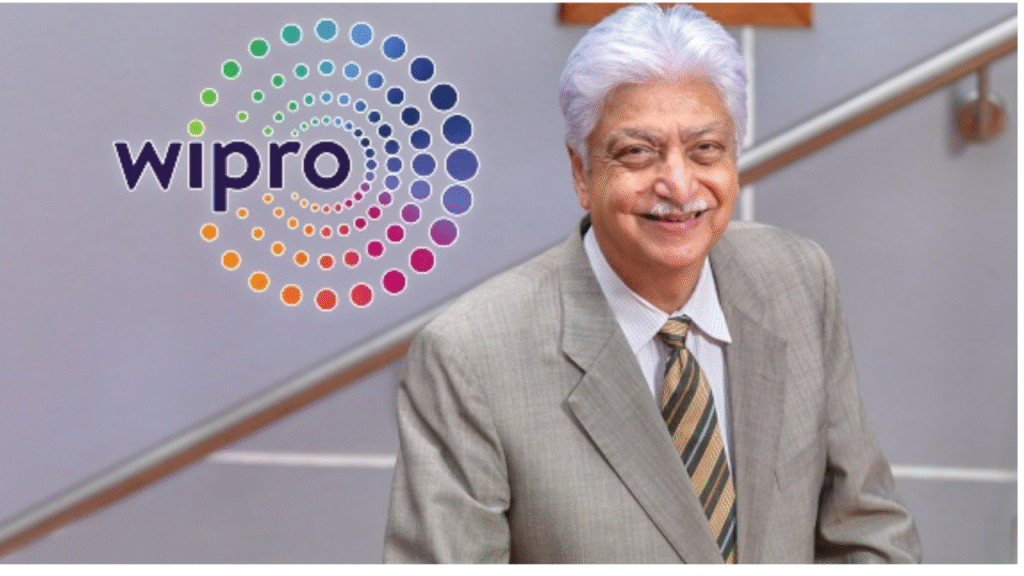
Azim Premji’s entrepreneurial journey highlights an important leadership lesson: founders must learn to move beyond day-to-day operations and develop the ability to think strategically about their company’s future.
The skills required to establish a business are not always the same as those needed to guide its growth.
From Building to Allocating
In the early stages of a startup, founders are closely involved in almost every aspect of the business. They develop products, interact with customers, manage employees and oversee daily operations. Their ability to execute ideas and solve immediate problems can be central to the company’s survival.
As the organisation grows, however, the complexity of its operations increases. The founder must begin considering broader questions about the company’s direction, investment priorities and long-term opportunities.
This transition involves deciding where the company’s capital, people and resources should be deployed. Instead of focusing exclusively on how to operate the business, founders must increasingly determine which opportunities deserve attention and which should be left aside.
The Importance of Strategic Thinking
Building a business and allocating its resources are two distinct responsibilities. While both are important, they require different approaches.
Building involves creating products, establishing processes and developing the operational foundation of a company. Strategic resource allocation, on the other hand, involves assessing competing priorities and determining where investments can contribute to sustainable growth.
For founders, this may mean deciding whether to expand into a new market, invest in technology, strengthen an existing business division or redirect resources toward emerging opportunities.
These decisions can influence an organisation’s ability to adapt to changing market conditions and maintain its growth over time.
Azim Premji’s Example
Azim Premji’s association with Wipro provides a context for understanding the evolution of entrepreneurial leadership. Under his leadership, Wipro developed from a company with roots in consumer products into a diversified business with a significant presence in the technology sector.
His journey illustrates how a founder’s responsibilities can expand alongside the organisation. As companies become larger and more complex, leadership increasingly involves setting direction, overseeing strategic priorities and ensuring that resources support long-term objectives.
Knowing What to Pursue
Successful entrepreneurship involves making choices about both action and restraint. Founders must identify opportunities that align with their company’s objectives while recognising that not every opportunity deserves investment.
This requires a clear understanding of the organisation’s strengths, available resources and long-term ambitions. It also calls for the ability to evaluate risks and consider the potential consequences of competing strategic decisions.
As companies expand, the ability to prioritise may become as important as the ability to execute.
A Lesson for Entrepreneurs
Leadership evolves as a company grows. Founders who are effective at building businesses may eventually need to develop new capabilities in strategic planning, delegation and capital allocation.
The lesson is not that operational skills become unimportant, but that they must be complemented by a wider perspective.
For emerging entrepreneurs, understanding this transition can encourage them to prepare for the changing demands of leadership. The ability to build a business creates its foundation, while thoughtful decisions about its future help determine how that foundation is developed.
Ultimately, the journey from operator to strategist reflects a fundamental shift in entrepreneurial leadership: from managing how a business works to deciding where it should go.