
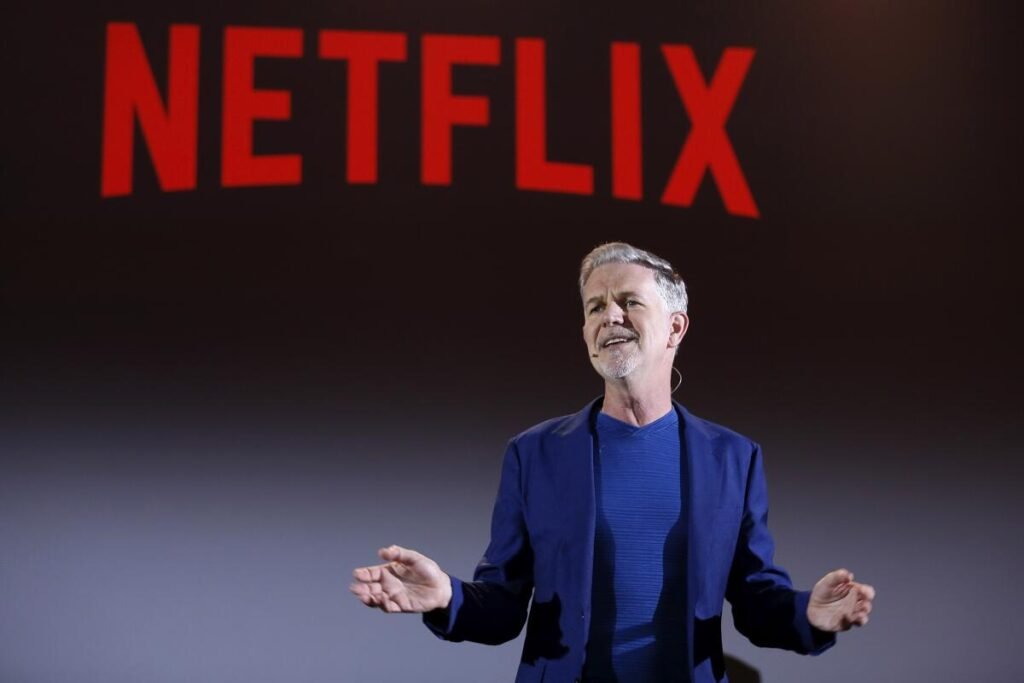
From mailing DVDs to streaming films across the world, Reed Hastings helped transform how audiences discover and watch entertainment. His story is a lesson in innovation, calculated risk-taking and the courage to reinvent a business before the market leaves it behind.
The Beginning of an Unconventional Idea
In the late 1990s, renting a movie usually meant visiting a video store, choosing a title and returning it before the deadline. Reed Hastings and entrepreneur Marc Randolph saw an opportunity to make the experience more convenient.
In 1997, they developed the idea of renting DVDs through the mail. After testing whether a DVD could survive the postal journey, they began building a business around the concept. Netflix launched in 1998, initially offering customers a new way to rent films without making a trip to a physical store.
The founders were not simply moving an existing service online. They were rethinking how customers accessed entertainment.
According to Netflix’s official company history, the original concept began with a simple test: mailing a DVD to see whether it arrived intact.
Challenging the Traditional Rental Model
Netflix initially operated as a DVD rental business, but the company began differentiating itself from conventional video stores through online ordering and subscription-based rentals.
In 1999, it introduced a subscription programme that eliminated traditional rental due dates and late fees. Customers could pay a recurring fee and enjoy greater flexibility over what they watched and when they returned it.
This addressed a familiar frustration for consumers. Instead of building its business around penalties, Netflix focused on convenience and customer satisfaction.
The model also encouraged repeat usage. A subscriber who enjoyed the service could return regularly rather than making a separate purchase for every rental.
Betting on Streaming Before It Became Mainstream
Netflix’s most consequential transformation came when it moved beyond physical DVDs.
As internet connections improved and digital video became more practical, the company began investing in online streaming. In 2007, Netflix introduced a streaming option, allowing subscribers to watch selected content over the internet.
The move represented a major strategic shift. The company was moving away from a business built around shipping physical discs towards a service that delivered entertainment digitally.
Streaming also changed customer expectations. Viewers increasingly wanted content available on demand, without waiting for delivery or visiting a store.
Netflix’s leadership recognised that its future depended on adapting to new technology, even if doing so changed the business that had originally made the company successful.
From Distributor to Global Entertainment Brand
Netflix expanded internationally and launched its service in more than 130 additional countries in January 2016. The expansion helped establish the company as a global entertainment platform rather than a service limited to a few markets.
It also invested in original programming, moving beyond distributing content created by others. This strategy gave Netflix greater control over parts of its catalogue and helped it develop distinctive shows and films for audiences around the world.
The company’s evolution demonstrated that a technology platform could become a major participant in the creative industries. Its business increasingly depended on understanding audiences, developing compelling content and delivering a reliable viewing experience.
Read more about the company’s development through the official Netflix newsroom.
Leadership Beyond the Founder Era
Hastings served as Netflix’s chief executive for many years, helping guide its transition through several business models. In January 2023, he moved into the role of executive chairman, while Ted Sarandos and Greg Peters became co-chief executives.
The transition reflected another important business lesson: founders must sometimes change their roles as companies mature. Building a successful organisation requires developing leaders who can continue its progress beyond the person who started it.
Lessons for Aspiring Entrepreneurs
Reed Hastings’ journey offers three key lessons.
First, solving an everyday inconvenience can become the foundation of a substantial business. Second, companies must be willing to replace successful models when technology and customer expectations change. Third, long-term growth requires more than a good product; it depends on execution, strategic decisions and the ability to adapt.
Netflix’s story is not just about entertainment. It is about recognising that a business should serve its customers’ changing needs rather than remain attached to its original format.
For aspiring founders, Hastings’ journey delivers a powerful message: the idea that starts a company may not be the same idea that makes it successful in the long run.