
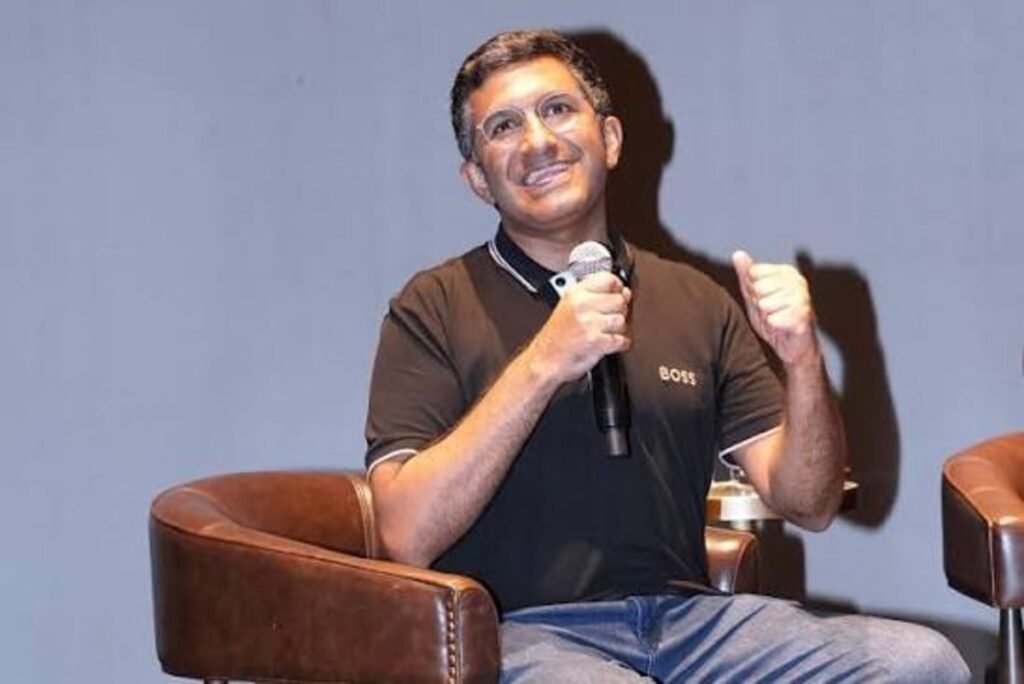
As India’s startup ecosystem expanded, entrepreneurs needed more than a desk and an internet connection. They wanted flexible offices, professional communities and spaces that encouraged collaboration. Ritesh Malik recognised this opportunity and founded Innov8, a coworking brand designed to rethink how people work.
An Entrepreneur Looking Beyond Traditional Offices
Ritesh Malik is an Indian entrepreneur and investor whose professional interests have included technology, healthcare and startup development. Trained as a doctor, he developed an interest in entrepreneurship and the role that emerging businesses could play in solving practical problems.
His transition from medicine towards business reflected a willingness to explore opportunities beyond a conventional career path.
As India’s startup ecosystem grew, office space became an important consideration for founders. Traditional commercial leases often required substantial deposits, long commitments and the expense of setting up an entire office.
For early-stage companies, these costs could divert money away from hiring, product development and customer acquisition.
The changing needs of startups created an opportunity for businesses that could provide professional workspaces without requiring customers to build their own offices.
The Idea Behind Innov8
Malik founded Innov8 in 2015 to offer modern coworking spaces for entrepreneurs, freelancers, small businesses and larger organisations.
The concept went beyond renting desks. Innov8 aimed to provide professionally designed work environments with meeting rooms, internet connectivity, shared facilities and opportunities for people from different industries to interact.
This model offered flexibility to businesses that did not want to commit to conventional office leases.
Instead of managing office infrastructure themselves, customers could access ready-to-use workspaces and focus on their core activities.
The concept also reflected a change in how people viewed offices. A workspace was becoming more than a physical location; it could also serve as a place to build professional relationships, exchange ideas and develop business opportunities.
Creating Workspaces for a New Generation
Innov8 positioned its spaces around design, convenience and community.
For independent professionals, coworking environments could provide a more structured alternative to working from home or cafés. For startups, they offered access to professional facilities without the initial investment associated with establishing a dedicated office.
Businesses could also use flexible workspace arrangements to accommodate changing team sizes and expansion plans.
The model became increasingly relevant as India’s technology sector, startup ecosystem and services economy expanded.
Explore the coworking brand through the official Innov8 website.
A Changing and Competitive Market
Coworking grew into a competitive sector, attracting established real estate companies, international workspace operators and new businesses.
The industry offered significant opportunities, but it also involved operational challenges. Workspace providers had to manage rental commitments, occupancy levels, maintenance expenses and customer retention.
A visually appealing office could attract initial interest, but long-term performance depended on location, service quality, pricing and the ability to build a dependable customer base.
The flexible workspace model also required careful financial management. Providers often committed to substantial property costs while offering customers more flexible membership arrangements.
This made operational efficiency and occupancy particularly important.
The WeWork India Connection
Innov8 later became part of the wider coworking industry’s consolidation and changing ownership landscape. In 2019, OYO announced an acquisition of Innov8, expanding its interests in the workspace segment.
The company’s journey illustrates how startups can evolve through partnerships, acquisitions and changes in business strategy as markets mature.
It also highlights the importance of understanding the difference between founding a business and managing its development through subsequent ownership changes.
Lessons for India’s Next Generation of Founders
Ritesh Malik’s entrepreneurial journey offers several lessons for aspiring founders.
Identify changing customer needs. As work patterns evolve, businesses can create opportunities by responding to new expectations around flexibility and convenience.
Improve existing services. Coworking did not eliminate the need for offices; it changed how people could access them.
Build an experience, not just a product. Workspace customers value community, reliable facilities and professional environments alongside the physical desk.
Understand operational economics. Real estate businesses require careful management of costs, occupancy and customer demand.
Rethinking Where Work Happens
Innov8’s story reflects a broader transformation in India’s professional landscape. As startups, freelancers and established businesses reconsider how they use office space, flexible work environments have become an important part of the commercial real estate market.
Ritesh Malik’s entrepreneurial experience illustrates how observing changing work habits can reveal opportunities to build new services around established industries.
For aspiring Indian founders, the takeaway is straightforward: business opportunities often emerge when customer expectations change faster than traditional systems can adapt.