
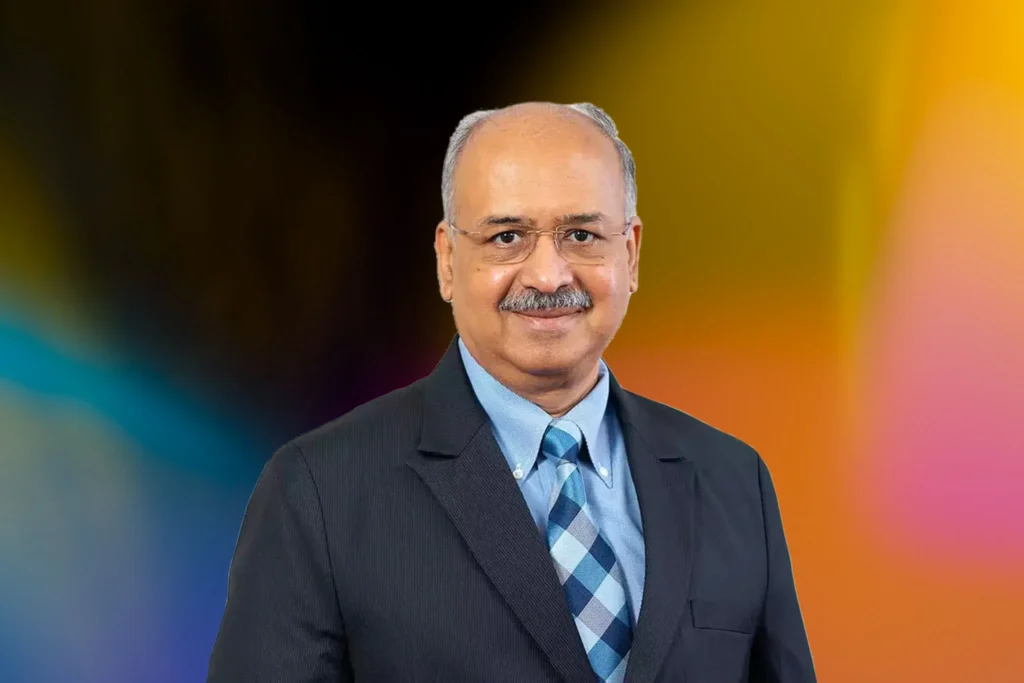
Dilip Shanghvi was born on October 1, 1955, in Amreli, Gujarat, and grew up in Kolkata, West Bengal. His father operated a wholesale pharmaceutical distribution business, giving him early exposure to the medicine trade.
He completed his schooling at J.J. Ajmera High School in Kolkata and graduated with a Bachelor of Commerce degree from the University of Calcutta.
During his early years, Shanghvi helped his father with the pharmaceutical distribution business. This experience introduced him to the workings of the medicine market, relationships with suppliers and the importance of making medicines accessible.
However, he wanted to move beyond distribution and establish a manufacturing business of his own.
The Birth of Sun Pharmaceutical Industries
In 1983, at the age of 27, Shanghvi founded Sun Pharmaceutical Industries in Kolkata.
He started the company with a small initial investment and a limited product portfolio focused on psychiatric medicines. The business began with a modest manufacturing operation in Vapi, Gujarat, and a small marketing team.
Rather than immediately competing across every pharmaceutical category, Shanghvi concentrated on specialised therapeutic segments where the company could develop expertise.
Psychiatry was an important starting point, followed by products in areas such as neurology, cardiology and gastroenterology.
This focused approach helped Sun Pharma establish its presence in the Indian pharmaceutical market.
The company’s official history records its establishment in 1983 and its subsequent development into a global pharmaceutical business.
Building a Strong Manufacturing Foundation
Shanghvi understood that long-term growth in pharmaceuticals required control over product quality, manufacturing and research.
Sun Pharma gradually expanded its production facilities and strengthened its technical capabilities.
In the early years, the company concentrated on building a dependable portfolio of medicines and expanding its distribution network.
It also invested in research and development, creating a foundation for more specialised products and international expansion.
The company gradually moved beyond its original focus on psychiatric medicines and entered additional therapeutic areas, broadening its presence among doctors, hospitals and healthcare professionals.
The Acquisition Strategy That Accelerated Growth
One of Shanghvi’s defining business strategies was using acquisitions to expand Sun Pharma’s capabilities and market presence.
Rather than relying entirely on organic growth, the company acquired pharmaceutical businesses, manufacturing facilities and product portfolios.
Some important milestones included:
- 1996: Acquisition of selected pharmaceutical manufacturing assets from Knoll Pharmaceuticals.
- 1997: Acquisition of Tamil Nadu Dadha Pharmaceuticals, strengthening its presence in specialised medicines.
- 2007: Acquisition of Israel-based Taro Pharmaceutical Industries, expanding its international footprint.
- 2010: Acquisition of a controlling stake in US-based Caraco Pharmaceutical Laboratories.
- 2014: Acquisition of Ranbaxy Laboratories, one of the biggest milestones in the company’s history.
The Sun Pharma milestones page documents the company’s expansion and major corporate developments.
The Ranbaxy Deal: A Defining Turning Point
In 2014, Sun Pharma announced its acquisition of Ranbaxy Laboratories in an all-stock transaction valued at approximately $4 billion.
The deal was significant because it brought together two major Indian pharmaceutical companies and strengthened Sun Pharma’s position in international markets.
The acquisition expanded its manufacturing network, product portfolio and global reach.
It also brought substantial integration and regulatory challenges. Combining large pharmaceutical operations required changes in manufacturing systems, compliance processes and organisational structures.
The transaction demonstrated Shanghvi’s willingness to pursue large strategic opportunities to transform the scale of his business.
Becoming a Global Pharmaceutical Leader
Over the years, Sun Pharma expanded its presence across India, the United States, Europe, Japan and emerging markets.
Its business portfolio grew to include:
- Generic medicines
- Specialty medicines
- Active pharmaceutical ingredients
- Dermatology treatments
- Oncology products
- Ophthalmology medicines
- Consumer healthcare products
The company also developed a stronger specialty medicines business, focusing on products for complex medical conditions.
According to its official corporate profile, Sun Pharma serves patients and healthcare professionals in more than 100 countries, supported by a global manufacturing and research network.
Recognition and Leadership
Shanghvi’s contribution to the pharmaceutical industry has earned him several national and international honours.
Some of his major recognitions include:
- Padma Shri (2016): Awarded by the Government of India for his contribution to trade and industry.
- EY World Entrepreneur of the Year (2011): Recognised for his entrepreneurial achievements.
- Economic Times Business Leader of the Year (2014): Honoured for his leadership in business.
- Forbes Entrepreneur of the Year (2014): Recognised for his business achievements.
- AIMA Entrepreneur of the Year (2017): Acknowledging his contribution to Indian industry.
His official leadership profile identifies him as the Founder and Executive Chairman of Sun Pharmaceutical Industries Limited.
Beyond Sun Pharma: Research and Innovation
Shanghvi’s interests extend beyond the company’s core pharmaceutical operations.
He is also associated with Sun Pharma Advanced Research Company (SPARC), which focuses on developing innovative medicines and drug-delivery technologies.
The organisation works on research programmes involving new formulations, treatments and pharmaceutical technologies.
This reflects a broader business philosophy: pharmaceutical companies must continue investing in research and innovation rather than relying only on existing products.
The Legacy of Dilip Shanghvi
Dilip Shanghvi’s journey demonstrates how a focused business idea can develop into an international enterprise through manufacturing expertise, research, strategic acquisitions and long-term planning.
He started Sun Pharma with a small product portfolio in 1983. Over the decades, the company grew into one of India’s leading pharmaceutical businesses with a significant global presence.
His story is particularly relevant for entrepreneurs because it highlights the importance of choosing a focused market, building operational strengths and expanding strategically.
From a small pharmaceutical venture to a multinational healthcare company, Shanghvi helped place Indian pharmaceutical manufacturing on the global business map.