




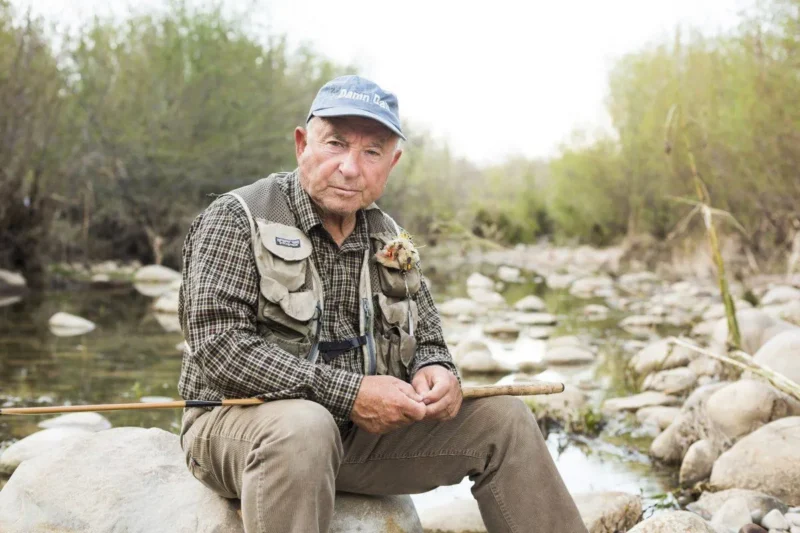
He began by making climbing equipment for fellow adventurers, not by chasing corporate success. Decades later, Yvon Chouinard had built Patagonia into an influential outdoor brand by combining product innovation with an unusually strong commitment to environmental responsibility.
A Different Kind of Entrepreneur
Yvon Chouinard did not follow the traditional path into business. Born in 1938, he developed a passion for climbing and spent much of his early life exploring mountains and the outdoors.
As a climber, he became frustrated with the quality and environmental impact of some existing climbing equipment. Instead of accepting the limitations of available products, he began making his own reusable steel pitons, which climbers used to secure ropes to rock faces.
In 1957, Chouinard began selling climbing equipment that he manufactured himself. His early business operated on a modest scale, serving a community of climbers who wanted reliable, durable gear.
The experience established a principle that would later shape Patagonia: make products that work well, last longer and meet the real needs of the people using them.
From Climbing Equipment to Patagonia
Chouinard’s equipment business grew as interest in climbing expanded. In 1965, he partnered with Tom Frost to form Chouinard Equipment, combining manufacturing expertise with a shared interest in improving climbing gear.
However, the founders eventually recognised that some popular climbing products could damage the rock faces they were designed to protect. They began promoting alternative equipment that reduced environmental harm.
This decision illustrated an early commitment to challenging established practices, even when doing so meant changing products that customers already purchased.
Chouinard later turned his attention to outdoor clothing. Patagonia was established in 1973, building a business around durable apparel for climbers and other outdoor enthusiasts.
The brand’s growth connected practical product design with a wider appreciation for nature and the places its customers explored.
Making Sustainability Part of the Business
Patagonia gradually became known for treating environmental responsibility as a central business concern rather than a separate charitable activity.
The company explored alternative materials, encouraged customers to repair products and promoted longer product lifespans. Its Worn Wear programme, for example, supports the repair, reuse and resale of used Patagonia clothing.
The underlying idea is simple: reducing unnecessary consumption can lower the environmental impact associated with producing new goods.
Patagonia’s approach has also challenged conventional retail thinking. Instead of relying entirely on encouraging customers to buy more, the company has promoted product durability and repair.
Its official company history explains how its environmental commitments developed alongside its business.
A Radical Decision About Ownership
In September 2022, Chouinard and his family announced a major change to Patagonia’s ownership structure.
Rather than selling the company or taking it public, the family transferred ownership through a structure designed to direct Patagonia’s profits not reinvested in the business towards efforts addressing the environmental crisis.
The Patagonia Purpose Trust was created to protect the company’s values and mission, while the Holdfast Collective was established to receive economic benefits intended to support environmental action.
The arrangement was unusual because it sought to preserve the company’s independence while directing its financial resources towards a purpose beyond conventional shareholder returns.
Patagonia’s official ownership announcement describes the structure and the family’s long-term intentions.
Building a Brand Around Values
Patagonia’s identity has helped distinguish it in the competitive outdoor clothing market. Its products appeal to customers seeking practical performance, while its environmental commitments provide another reason for people to connect with the brand.
However, purpose-driven business also brings responsibilities. Environmental claims must be supported by credible action, and companies must continue examining the impacts of their supply chains, materials and manufacturing.
Patagonia’s journey shows that a company’s values become meaningful when they influence actual business decisions, including product development, operations and ownership.
Lessons for Aspiring Founders
Yvon Chouinard’s journey offers three important lessons.
Build products around real needs. His first business emerged from practical problems he experienced as a climber.
Challenge conventional thinking. Patagonia’s history includes decisions that questioned established approaches to equipment, manufacturing and consumption.
Make purpose part of the business model. Environmental responsibility became closely connected to the company’s identity and long-term ownership structure.
Chouinard’s story demonstrates that entrepreneurship can be about more than building a profitable product. It can also involve creating a business whose operations, culture and resources reflect a lasting set of values.
For aspiring founders, the message is clear: a company’s purpose is most powerful when it shapes not just what it says, but how it operates.