




How one entrepreneur challenged British dominance and laid foundations for India’s shipping, aviation, automobile and construction industries
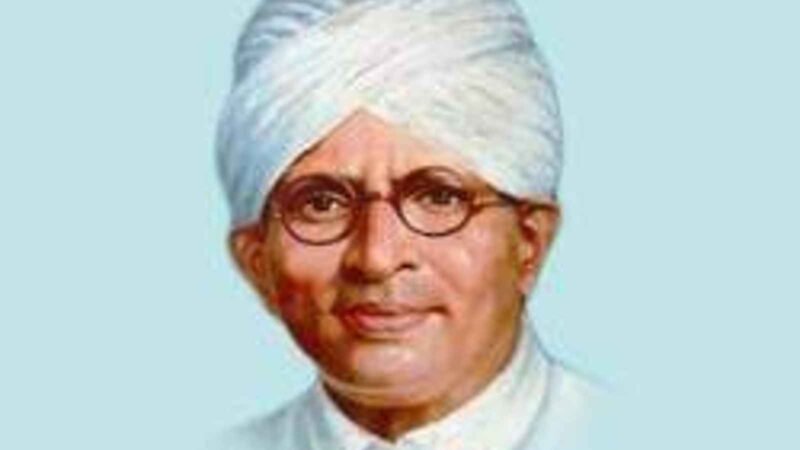
Long before India became an industrial and manufacturing powerhouse, Walchand Hirachand imagined a country capable of building its own ships, aircraft, automobiles and infrastructure. At a time when several major industries were dominated by foreign companies, he took bold entrepreneurial risks to establish Indian-owned enterprises. His ventures helped lay the foundations of some of the country’s most important industrial sectors.
Early Life and Entrepreneurial Beginnings
Walchand Hirachand Doshi was born on November 23, 1882, in Solapur, Maharashtra, into a Gujarati Jain trading family.
He entered business at a young age and initially worked in trading and construction. His early experience as a railway and infrastructure contractor helped him understand large-scale projects, engineering requirements and industrial opportunities.
Rather than limiting himself to traditional trading, Walchand wanted to create businesses that could strengthen India’s economic independence. He believed that political freedom would mean little without the ability to manufacture essential products and operate major industries within the country.
Challenging British Dominance in Shipping
One of Walchand’s most ambitious ventures was the establishment of Scindia Steam Navigation Company in 1919, alongside business partners including Narottam Morarjee and Kilachand Devchand.
At the time, India’s maritime shipping industry was heavily influenced by British companies. Indian entrepreneurs faced significant competition and commercial barriers.
The company’s ship, SS Loyalty, began its maiden voyage from Bombay to London on April 5, 1919. The journey became a landmark in India’s maritime history and is commemorated through National Maritime Day.
Walchand’s decision to enter shipping demonstrated his willingness to challenge established foreign businesses and build an Indian presence in a strategically important industry.
Building India’s Construction Capabilities
Walchand also recognised that India’s industrial development required strong infrastructure.
In 1926, he founded Hindustan Construction Company, which went on to undertake major engineering and infrastructure projects.
The company became involved in the construction of dams, bridges, tunnels, roads and other large infrastructure developments.
His work in construction reflected a larger vision: India needed domestic companies with the expertise and capacity to execute projects essential for economic growth.
Entering Sugar and Heavy Engineering
In 1934, Walchand established a sugar factory at Walchandnagar in Maharashtra. The venture developed into Walchandnagar Industries, which later diversified into heavy engineering and industrial manufacturing.
The company became associated with machinery, industrial equipment, engineering projects and specialised manufacturing.
This move demonstrated another aspect of his business philosophy: using opportunities in one sector to build capabilities in other industries.
A Vision for Indian Aviation
Walchand’s ambitions extended to aviation, an industry that was still developing in India.
In 1940, he established Hindustan Aircraft Company in Bengaluru with support from the Mysore government and other investors.
The venture marked an important step towards developing aircraft manufacturing capabilities within India. During the Second World War, the British Indian government took control of the company, and it was subsequently nationalised. It eventually became part of the foundation of what is now Hindustan Aeronautics Limited (HAL).
His decision to invest in aircraft manufacturing reflected his belief that India should develop its own capabilities in strategically important technologies.
Promoting Indian Shipbuilding and Automobiles
Walchand also established a shipbuilding venture at Visakhapatnam, which became Hindustan Shipyard. Its first major vessel, Jal-Usha, was commissioned by Prime Minister Jawaharlal Nehru in 1948.
He also helped establish Premier Automobiles, which entered India’s automobile manufacturing industry. The company later became known for producing vehicles such as the Premier Padmini.
Across these ventures, Walchand pursued a consistent objective: creating Indian enterprises in industries that were essential to the country’s future.
A Legacy Beyond Business
Walchand Hirachand passed away on April 8, 1953, but his influence continued through the businesses and institutions associated with his name.
His industrial ventures contributed to the development of shipping, aviation, automobiles, construction and heavy engineering in India. Several of these enterprises later came under government ownership or evolved under different management structures.
His legacy is also remembered through the Walchand educational institutions, which continue to carry his name and contribute to technical education.
The Entrepreneur Who Thought Beyond His Time
Walchand Hirachand’s story is not simply about building companies. It is about identifying industries that a developing country needed and having the courage to invest in them when success was far from certain.
He believed that Indian enterprise could compete in sectors dominated by foreign businesses. Through his ventures, he helped turn that belief into industrial reality.
His life remains an important chapter in India’s business history, representing a generation of entrepreneurs who viewed industrial development as a contribution to nation-building.
Reference Links
- Walchandnagar Industries – Founder Profile
- Walchand Trust – Walchand Hirachand’s Contributions
- Hindustan Construction Company – Official Website
- Walchandnagar Industries – Official Website
- Prime Ministers’ Museum and Library – Walchand Hirachand Papers
- Mint – Walchand Hirachand: The Dreamer Who Built Solid Castles in the Air